Missed Call Text Back: Setup Guide for Service Businesses
Transform missed calls into valuable conversations with our quick setup guide. Increase customer engagement in just 15 minutes!
How many customers are slipping away before you can answer?
Answer 4 quick questions and get a simple missed-call estimate for your business.
Answer with one tap. Contact details come after your result.
Here is the estimate.
Thanks. Your result was received.
Missed call text back turns a lost ring into a live conversation. The fix takes about 15 minutes: enable the trigger on your existing number, write a short reply template, and test it with a real missed call before you call it done.
Do this today:
- Pick your number. Confirm it can send SMS (most VoIP and mobile lines can, some landlines and toll-free numbers can't).
- Write one template. Keep it under 160 characters with a clear next step.
- Call yourself and let it ring out. If a text lands within a few seconds, you're live.
Pro Tip: Test on a Friday afternoon, your busiest missed-call window, so you catch real-world timing quirks instead of quiet-hour ones.
Key Takeaways
Missed call text back works because it replaces a silent voicemail with an instant, actionable text, and the businesses that recover the most leads pair that text with a booking link and a clear reply owner.
| Point | Details |
|---|---|
| Speed beats everything | Send the text within 1 to 5 seconds of the missed call while the moment is still fresh. |
| Templates need one job | Every message should give a single next step: reply, call back, or book online. |
| Compliance isn't optional | Register under 10DLC, identify your business, and include opt-out language in every text. |
| Dedup prevents spam complaints | Set a 30 to 60 minute window so repeat calls don't trigger repeat texts. |
| Ringport bundles the whole workflow | Automated SMS, booking links, shared inbox, and CRM logging run together instead of as separate tools. |
Where to Go for Deeper Technical Help
Start with your provider's own help documentation for edge cases like abandoned-call thresholds and unsupported number types.
- CallRail's guide to automated missed-call responses covers abandoned-call rules and SMS-incapable numbers in detail.
- WorkflowStack AI's setup guide walks through the trigger-and-template workflow step by step.
Table of Contents
- What Is Missed Call Text Back and Why Does It Matter?
- How Does Missed Call Text Back Actually Work?
- How Do You Set Up Missed Call Text Back Today?
- What Should Your Missed Call Text Actually Say?
- What Deliverability and Compliance Rules Should You Know?
- Which Metrics Actually Prove This Is Working?
- What Mistakes Cause Missed Call Text Back to Fail?
- How Does RingPort Handle Missed Call Text Back?
- Do State and International Rules Change Your Compliance Requirements?
- What Do Real Recovery Results Look Like?
- How Do You Scale This as Call Volume Grows?
- Ready to Put This on Autopilot?
- Frequently Asked Questions
- Sources
What Is Missed Call Text Back and Why Does It Matter?
Missed call text back is an automatic SMS sent to anyone whose call you didn't answer, usually within seconds of the missed ring. It moves the conversation to text, where a caller who wouldn't leave a voicemail will often reply.
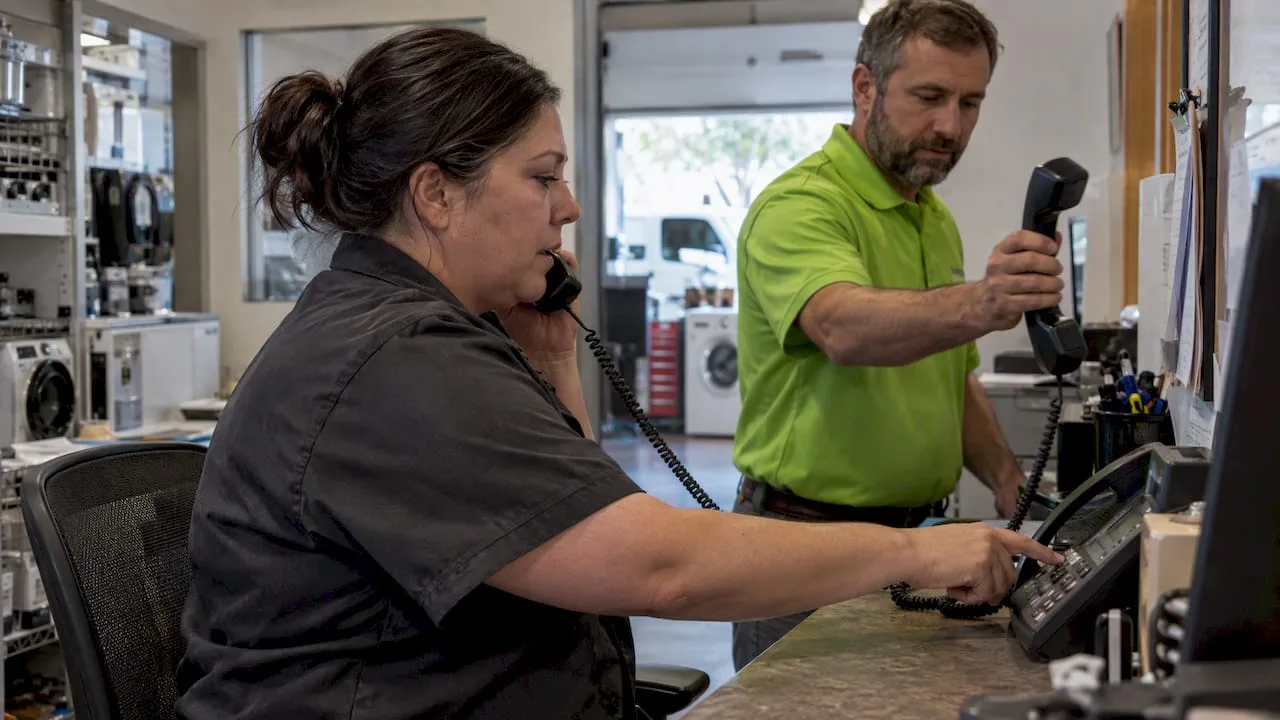
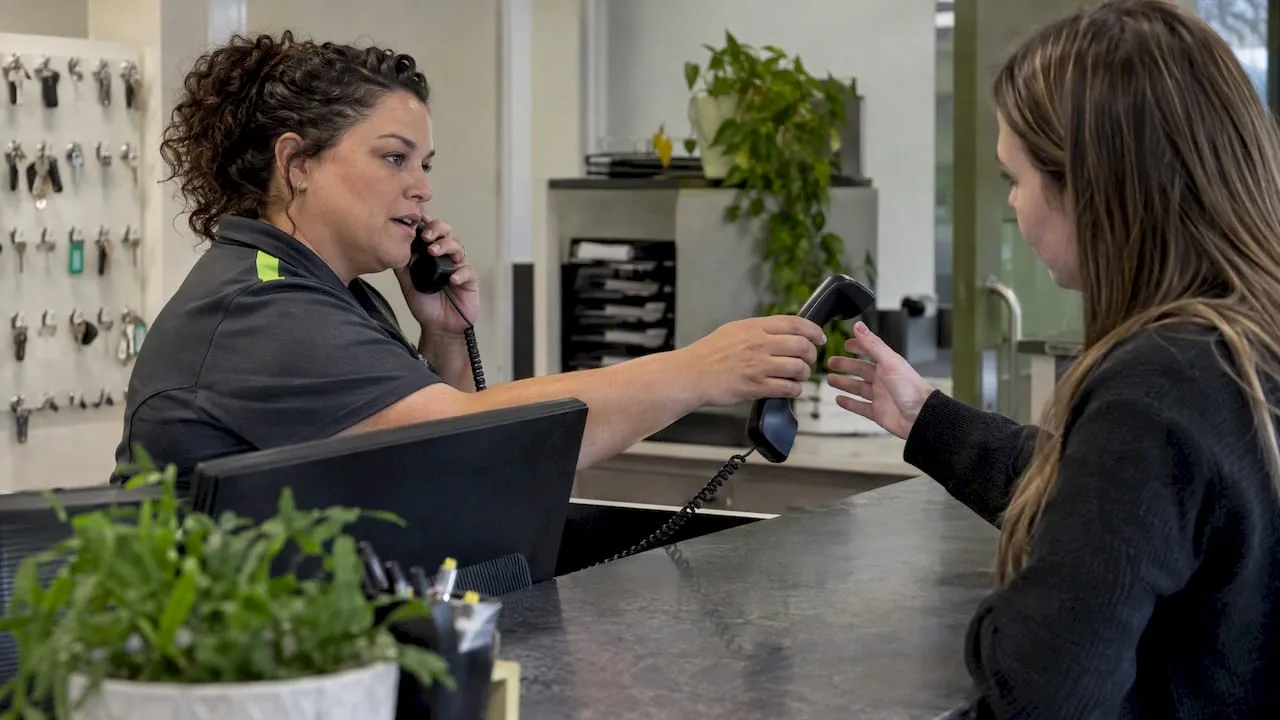
That matters more than it sounds. A large share of callers who hit voicemail simply hang up and call the next business on the list instead of leaving a message. For a plumber, salon, or clinic running with one or two people answering phones, that's a booked job walking out the door.
The core benefits stack up fast:
- Lead recovery from callers who would have gone silent after voicemail.
- Faster response than a callback hours later, when the customer has already moved on.
- Less pressure on staff to sprint for every ring during a job or appointment.
- A paper trail in your inbox showing exactly who called and when.
Small teams that can't staff a live receptionist during rush hours lean on this as a safety net rather than an add-on.
How Does Missed Call Text Back Actually Work?
Behind the scenes, your phone system watches for a specific call status: no-answer, declined, or a call that hit voicemail without the caller leaving a message. Ring timeout usually triggers the text, but a completed call to voicemail counts too. What doesn't count, in most setups, is a call the caller hung up on almost immediately.
Providers often set an "abandoned call" threshold, commonly around 15 seconds, and won't fire a text if the caller disconnects before that window closes. That protects you from texting someone who dialed the wrong number and hung up in two seconds, but it also means very short missed calls sometimes go unanswered by design.
Timing matters just as much as the trigger itself. Most vendors recommend sending the text within 1 to 5 seconds of the missed event, while the call is still fresh in the caller's mind. Wait too long, and reply rates drop because the moment has passed.
- No-answer or declined: fires almost instantly.
- Voicemail with no message left: fires after the call ends.
- Repeat calls within minutes: should be deduplicated, not re-texted every time.
Pro Tip: Set a dedup window of 30 to 60 minutes so an impatient caller who dials three times in five minutes gets one text, not three.
How Do You Set Up Missed Call Text Back Today?
You can have this running before lunch. Here's the order that avoids rework:
- Confirm your number supports SMS. Mobile and most VoIP lines work; some toll-free numbers have sending limits, and traditional landlines can't receive texts at all.
- Turn on the missed-call trigger. Most platforms let you connect your existing number and activate the trigger inside a workflow builder without a new phone number.
- Set your delay and dedup window. Start with 1 to 5 seconds for the send delay and 30 to 60 minutes for dedup.
- Add business-hour rules. Decide whether after-hours callers get a different message than during-hours ones (they usually should).
- Write and save your templates. Cover during-hours, after-hours, and one urgent/emergency variant.
- Add a booking link and opt-out language. Every message needs a next step and a way to stop future texts.
- Route replies somewhere real. Connect a shared inbox or your CRM so a reply doesn't vanish into a phone nobody checks.
- Test it three ways:
- Call and let it ring out completely.
- Call twice within a minute to check dedup.
- Call from a landline to confirm your fallback (a voicemail message directing them to call back, since a text won't arrive).
Check your logs after each test. You want a timestamp, the caller's number, and the exact message sent, all visible in one place. If any of that is missing, fix it before you go live with real customers.
What Should Your Missed Call Text Actually Say?
Short, personal, and specific beats clever every time. The best-performing templates stay under 160 characters, name the business, and give one clear next step.
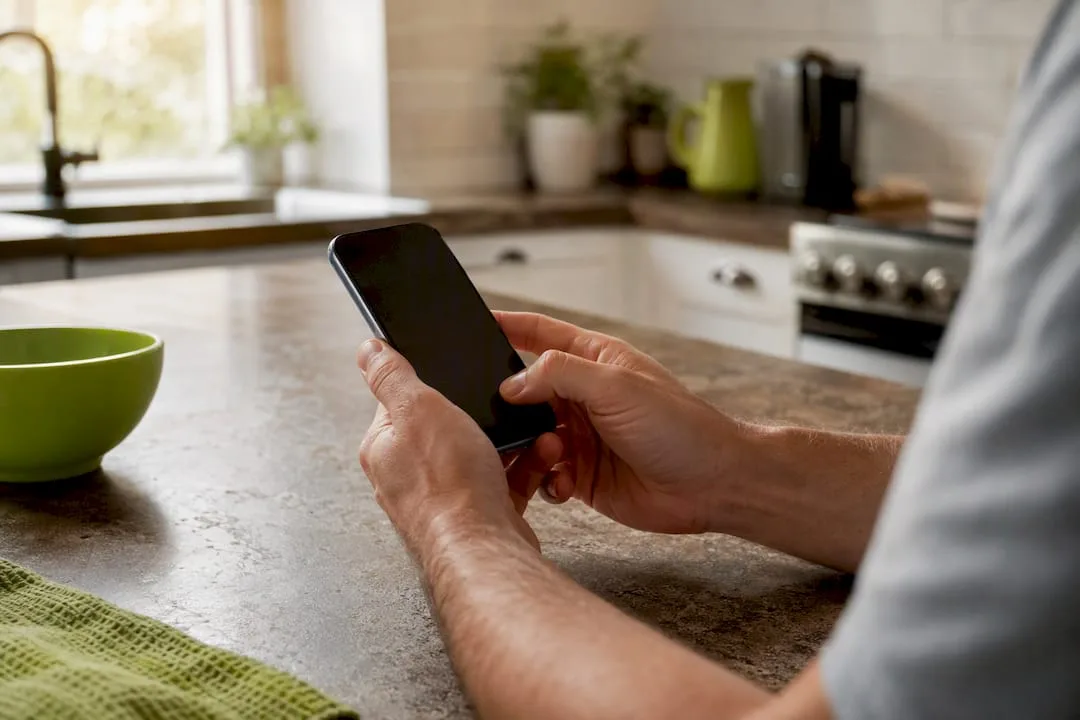
During-hours: "Hi, this is [Business Name]! Sorry we missed you, we're with a customer. Text us here or call back in 15 minutes and we'll get you booked."
After-hours: "Thanks for calling [Business Name]. We're closed until [time], but reply here with your name and what you need and we'll call first thing. Book online: [link]"
Urgent/emergency (plumbing, HVAC, locksmith): "Got your call, [Business Name] here. If this is urgent, reply URGENT and we'll call within 10 minutes. Otherwise we'll reach out shortly."
Service-specific booking prompt: "Hi from [Business Name]! Missed your call. Ready to schedule? Grab a slot here: [booking link]. Reply STOP to opt out."
Personalization tokens like caller name and business name lift reply rates but keep the message readable if the name field is blank or misformatted. Every template needs three ingredients: a booking link or reply prompt, a clear identification of who's texting, and opt-out language for compliance.
What Deliverability and Compliance Rules Should You Know?
Getting the message written is only half the job. Getting it delivered, legally and reliably, is the other half.
In the US, businesses sending automated texts through most carriers need 10DLC (10-digit long code) registration, which tells carriers your business is a legitimate sender rather than a spam operation. Skip this step and your messages can get throttled or blocked entirely, often without any warning that it's happening.
A few non-negotiables:
- Register your sender. A dedicated business number registered under 10DLC clears far more reliably than an unregistered line.
- Identify yourself immediately. The first message should name your business plainly, not just drop a link.
- Include opt-out language. "Reply STOP to opt out" isn't optional under TCPA guidance, and skipping it invites complaints.
- Watch for toll-free SMS caps. Toll-free numbers often carry sending limits that a busy shop can hit fast.
- Landlines can't receive texts. Any caller on a traditional landline needs a voicemail fallback instead.
Which Metrics Actually Prove This Is Working?
Six numbers tell you whether the system is paying for itself: missed-call volume, auto-text send rate, reply rate, time-to-first-human-response, booking or recovery rate, and opt-out rate.
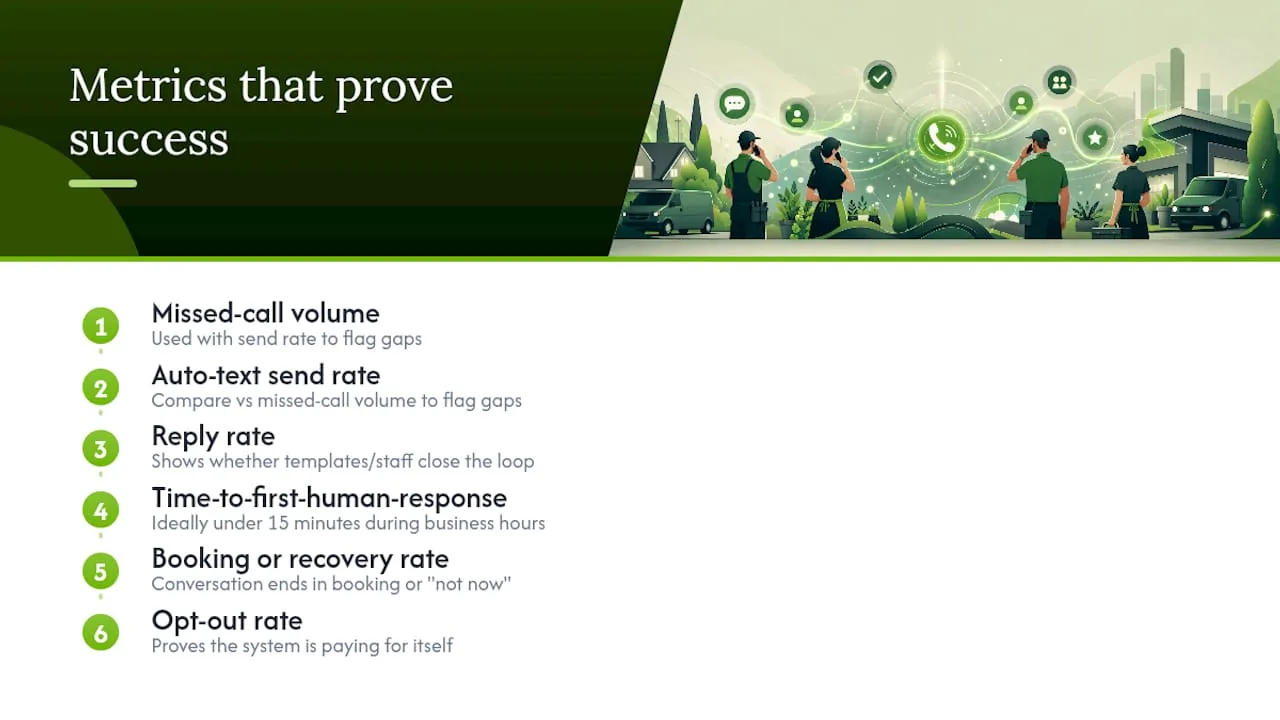
Send rate versus missed-call volume flags technical gaps, like a toll-free limit quietly blocking texts. Reply rate and time-to-first-human-response show whether your templates and staff are actually closing the loop, not just firing a message into the void.
A workable triage flow looks like this: auto-text fires → reply lands in a shared inbox or gets assigned to a person → that person responds inside an agreed window, ideally under 15 minutes during business hours → the conversation ends in a booking or a clear "not now."
Log every step in your CRM, even the losses. Once you have a few weeks of data, run a simple A/B test between two templates or two delay settings and let the reply rate decide which one stays.
What Mistakes Cause Missed Call Text Back to Fail?
Most failures trace back to three habits. First, texting a number that can't receive SMS. Landlines need a voicemail fallback, not a text attempt that silently fails. Second, sending a vague message with no next step. "We missed your call" tells the customer nothing to do; a booking link or reply prompt does. Third, skipping dedup logic, which means a caller who tries three times in ten minutes gets three identical texts and starts to feel spammed rather than helped.
- Verify SMS capability before you rely on a number.
- Always give the reader one specific action.
- Test repeat-call scenarios before launch, not after a customer complains.
How Does RingPort Handle Missed Call Text Back?
RingPort builds this directly into its AI receptionist platform rather than treating it as a bolt-on feature. When a call goes unanswered, RingPort fires an automated text, hands the caller to its AI receptionist for basic questions, and drops a booking link straight into the message.
Replies land in a shared inbox with CRM logging attached, so nothing gets lost between a text reply and an actual appointment. RingPort manages deliverability and dedup rules on the back end, including business-hour logic, so you're not manually configuring 10DLC registration or timing windows from scratch.
- Automated missed-call SMS with booking link built in.
- AI receptionist hand-off for basic scheduling questions.
- Shared inbox and CRM logging for every reply.
Onboarding typically starts with connecting your existing number and confirming your hours. Test the missed-call template and booking link first, since that combination handles the majority of after-hours leads.
Do State and International Rules Change Your Compliance Requirements?
TCPA and FCC guidance set the baseline for US texting, but they aren't the only rules in play, especially if your business operates near a border or serves customers who travel.
A handful of states have layered their own consumer-texting rules on top of federal law, generally tightening consent and record-keeping requirements rather than loosening them. If you operate in more than one state, the safest approach is to follow whichever state's rule is stricter for opt-in and opt-out handling, rather than assuming the federal floor covers you everywhere.
If any part of your customer base is in the European Union or the UK, GDPR adds another layer entirely. GDPR treats a phone number as personal data and requires a documented legal basis for processing it, plus a straightforward way for someone to have their data deleted on request. Most US-based local service businesses (a landscaper in Ohio, a dental office in Texas) won't have EU customers and can set this aside. But if you serve seasonal residents, corporate clients with international staff, or anyone who might be a EU resident, don't assume a US-only compliance checklist covers you.
Two practical habits keep you covered no matter where a customer lives: log every opt-in and opt-out with a timestamp, and never sell or share a customer's phone number with a third party without saying so upfront. Neither takes extra software, and both hold up if a regulator or a customer ever asks how you handled their information.
None of this replaces legal advice specific to your state or customer base. Treat this as a starting checklist, not a substitute for reviewing your own exposure with someone who knows your jurisdiction.
What Do Real Recovery Results Look Like?
Numbers help, but the pattern matters more than any single case. A busy HVAC company running two trucks and one office phone gets slammed with calls during the first heat wave of the season. Every ring that goes to voicemail without a message is likely a homeowner already dialing the next contractor on the list. With missed-call text back live, that same homeowner gets an instant text with a booking link and books a slot themselves, no phone tag required.
A single-chair hair salon tells a similar story. The stylist can't answer calls mid-appointment, and most callers won't wait on hold or leave a voicemail for a scheduling question. An after-hours or mid-service auto-text with a direct booking link catches that lead the moment it goes cold, instead of losing it to whichever competitor answers first.
Medical and dental offices see the same dynamic play out around lunch breaks and staff meetings, windows where the front desk is unreachable but patients still expect a response. A short text acknowledging the missed call and offering a callback window keeps the patient from calling a different practice out of frustration.
The common thread across all three: the business didn't add headcount to fix the problem. It closed the gap between "we missed the call" and "the customer has a next step" down to seconds instead of hours, sometimes days if the message sat in voicemail unheard. That gap, more than any single feature, is what missed-call text back is built to close. Pairing the text with a direct reply owner and a booking link removes the friction that normally kills a lead between the missed ring and the eventual callback.
How Do You Scale This as Call Volume Grows?
A single-line setup that works fine at ten calls a day starts showing cracks at fifty. The fixes are mostly about routing and ownership, not new technology.
As volume climbs, a single shared inbox can turn into a swamp where replies sit unanswered because nobody's assigned to them specifically. Assign ownership by shift or by service line (one person on urgent replies, another on routine bookings) before that backlog builds rather than after a customer complains about a slow response.
Multi-location or multi-technician businesses often need separate numbers or routing rules per location, so a text about a leaky faucet in one city doesn't land in an inbox three states away. Check your 10DLC registration limits and toll-free sending caps as volume scales too; a rule that worked fine at low volume can quietly start throttling messages once you cross a threshold you didn't know existed.
The workflow that scales best keeps the auto-text simple and pushes complexity into routing and reporting, not into the initial message. Add a second or third template variant as you learn which service lines need urgency versus which ones are fine with a standard booking prompt, but resist the urge to build ten templates before you have data on what actually improves reply rates.
Why This Actually Matters on a Busy Day
A missed call on a slow Tuesday is an inconvenience. A missed call during a Saturday rush is revenue walking to a competitor, and most owners underestimate how often that happens until they see the auto-text reply rate for themselves. The tone that works best in the field is plain and specific, not clever. A caller wants to know you saw the missed call and what to do next, nothing more.
Ready to Put This on Autopilot?
Ringport is the alternative to hiring an extra front-desk hire just to catch calls you're missing right now. Instead of stitching together a texting app, a booking calendar, and a separate inbox, Ringport handles missed-call text back, booking links, and reply tracking in one system built specifically for local service businesses.
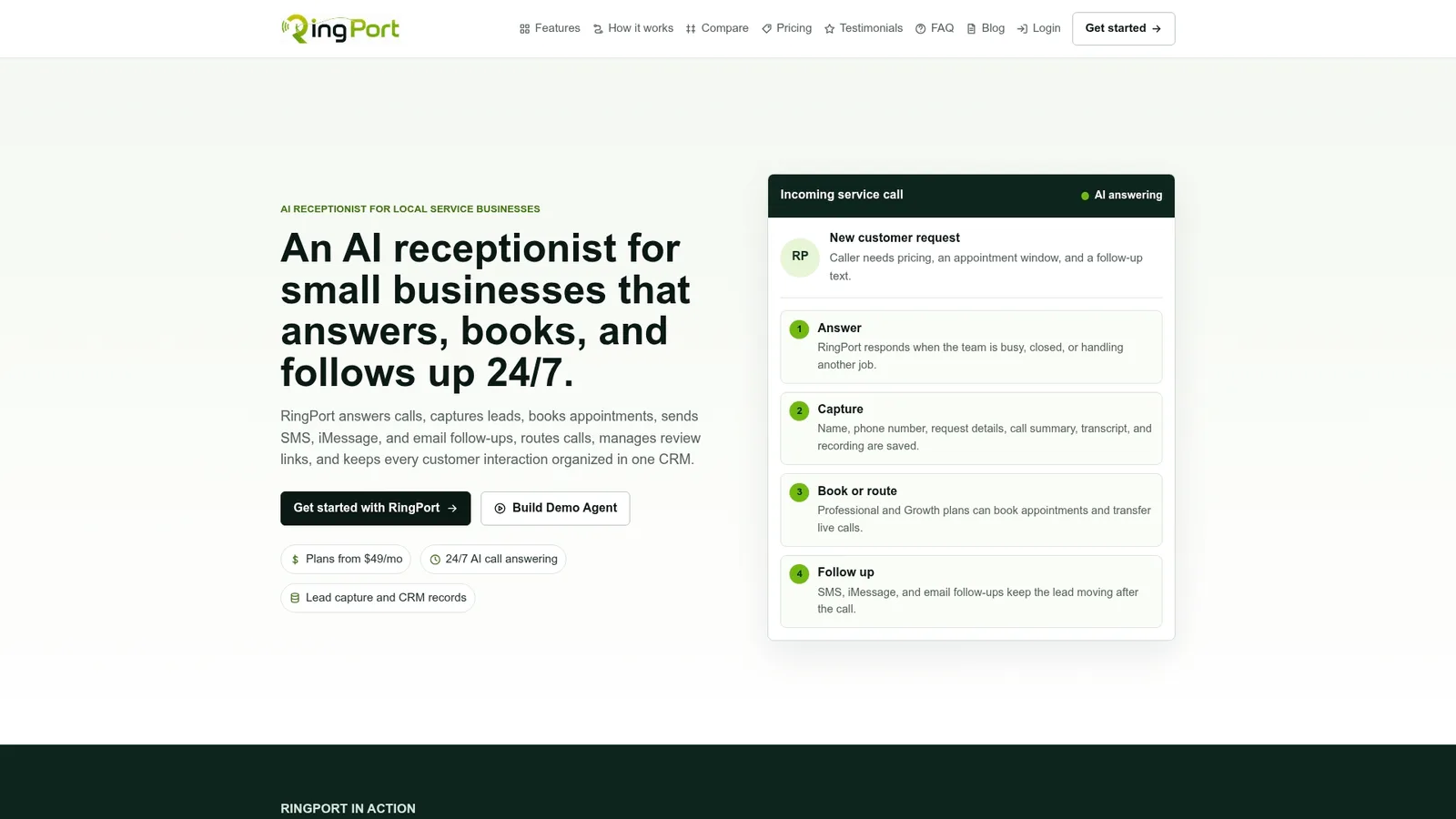
A trial is the fastest way to see it in action. Start by testing the missed-call template paired with your booking link, since that combination catches the largest share of after-hours and rush-hour leads. Watch how quickly a real missed call turns into a text reply, then a booked appointment, before you decide whether to expand into full AI call answering. If you're also thinking about how staff should handle the replies that come in, training your team to close those leads matters just as much as the automation itself.
Set up your Ringport trial today and get your first missed-call template live before your next rush hour.
Frequently Asked Questions
What is missed call text back? It's an automated SMS sent to a caller you didn't answer, usually within a few seconds, that gives them a way to reply or book without waiting on hold.
How do I text back after a missed call automatically? Enable a missed-call trigger on a SMS-capable number, write a short template with a booking link, set a delay of 1 to 5 seconds, and test with a real missed call before going live.
Can every phone number send a missed call text? No. Traditional landlines can't receive or send SMS, and some toll-free numbers carry sending limits, so confirm your number supports texting before you rely on it.
What should a missed call SMS reply include? Your business name, an apology for missing the call, one clear next step like a booking link or reply prompt, and opt-out language such as "reply STOP to opt out."
How fast should a missed call notification trigger a text? Most vendors recommend firing the text within 1 to 5 seconds of the missed event, since reply rates drop the longer a caller waits after hanging up.
Does missed call text back help reduce lost leads for small businesses? Yes. Many callers who reach voicemail simply hang up instead of leaving a message, and an instant text re-engages them before they call a competitor.
Sources
- Missed Call Text Back: Complete Guide (2026)
- The Complete Guide to Missed-Call Text Back | WorkflowStack AI